
Professional tree disease treatment for homes and businesses in Scott City and surrounding Missouri communities.
B. Haney and Sons Arborists provides professional disease management throughout Scott City, MO. Many tree health problems get misdiagnosed, leading to wasted treatment money and continued tree decline. Our ISA-trained arborists identify the actual cause (often it is not a disease at all but a site or care problem), then treat appropriately.
Scott City homeowners and businesses count on careful, professional tree disease treatment to protect their properties and their tree investments. Serving a city of 4,478 across Missouri, B. Haney and Sons Arborists brings the experience, equipment, and crew capacity to handle tree disease treatment projects of any scale. We begin every job with an honest evaluation, walk the property with you, and provide a clear written estimate before any cuts are made.
Our tree disease treatment crews in Scott City, MO are ISA-trained, fully insured, and equipped with bucket trucks, climbing gear, chippers, and stump grinders sized for the job. From the initial assessment through final cleanup, we maintain open communication and hold ourselves to ANSI A300 and Z133 industry standards. That is how B. Haney and Sons Arborists has earned the trust of property owners across Missouri.

Our proven tree disease treatment process delivers reliable results for Scott City property owners every time.
Call any time and our arborist comes out to walk your property. We assess the trees, discuss your goals, and explain the work in plain language.
B. Haney and Sons Arborists provides transparent written pricing for every tree disease treatment job in Scott City. The quote includes all the work, all the cleanup, all the equipment — no surprises on the final invoice.
Our Scott City crew shows up when promised, sets up the site safely, and works with the equipment and rigging your specific job requires. ISA-trained arborists make every cut intentionally.
We haul all branches and brush, chip the small wood, grind stumps if requested, rake the work area, and leave your property cleaner than we found it.
Have questions about tree disease treatment in Scott City, MO? Start here.
The cost of tree disease treatment in Scott City depends on tree size, species, access, equipment required, and whether stump removal is included. B. Haney and Sons Arborists provides free written estimates with transparent pricing so you know exactly what to expect before any work begins. We work in a wide range of budgets and never quote blind.
For non-emergency tree disease treatment in Scott City, we typically schedule within 1 to 2 weeks of estimate approval. For emergency tree work, our crews can usually arrive within 1 to 4 hours of the call. Schedules tighten significantly during storm weeks across Missouri.
Yes. Standard B. Haney and Sons Arborists tree disease treatment service in Scott City includes hauling all branches and brush, chipping small wood, raking the work area, and leaving the site cleaner than we found it. No surprise debris-removal fees on the final invoice.
Most tree disease treatment jobs in Scott City, MO are completed in a single day, with cleanup finished by close of business. Larger or more complex projects involving cranes, multiple trees, or specialized equipment may take 2 to 3 days. We provide a clear timeline during the estimate.
Our reputation is built on results. Here is what our customers have to say.
"The crew leader took the time to walk me through exactly what they were going to do before they started cutting. That kind of communication is rare. The work itself was textbook professional and our trees are in great shape."
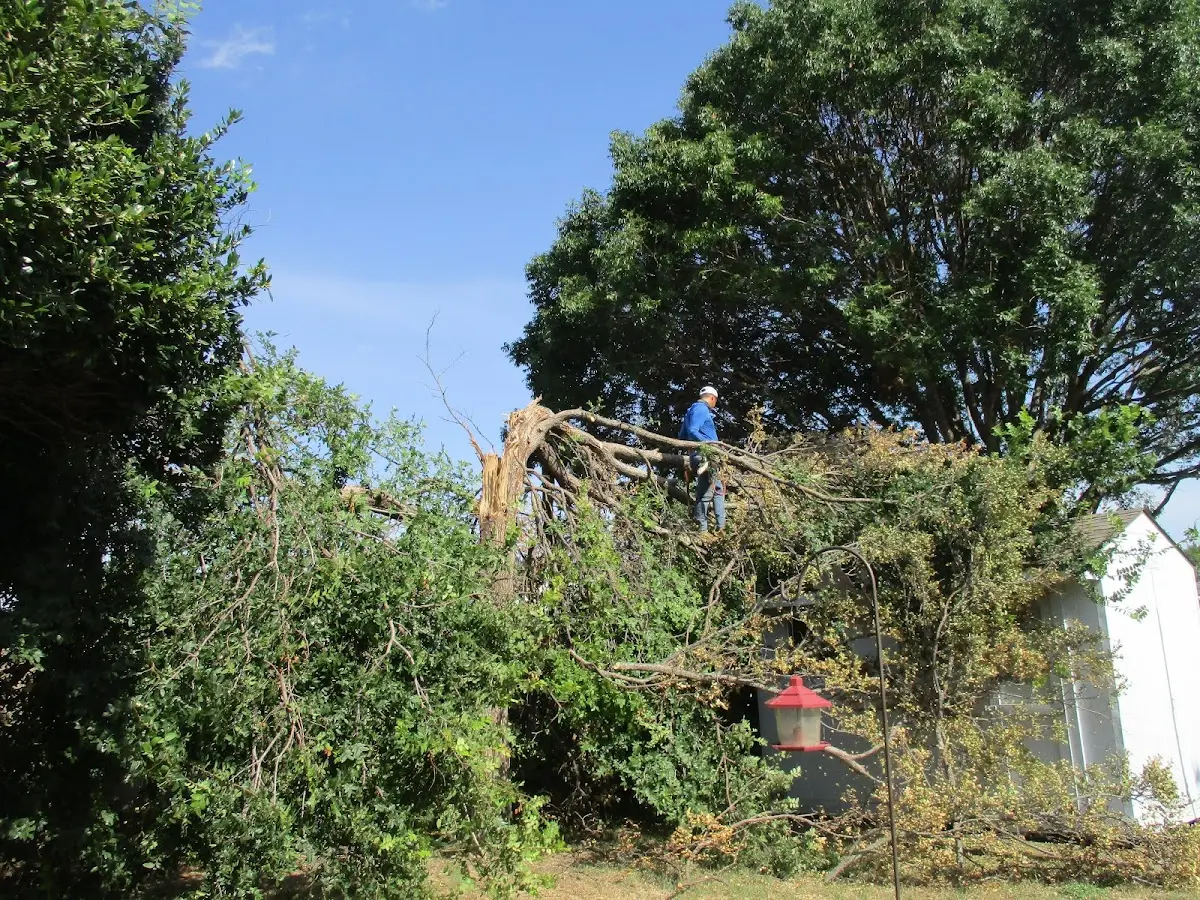
"Called for emergency tree service after a big limb came down on our shed. Crew was here within three hours, removed the limb, cleaned up all the debris, and did not even charge us extra for the after-hours call. That is integrity right there."
"Hired them for a tree disease treatment after we noticed yellowing leaves on our birches. The arborist diagnosed the issue, recommended a treatment plan, and the trees recovered beautifully. They could have pushed unnecessary treatments — they did not."